Combatting Constipation: Reasons, Signs & Solutions
Wiki Article
Constipation is frequently a troubling condition that impacts many individuals. It typically involves infrequent bowel movements or struggles with elimination. While occasional constipation is normal, chronic constipation frequently causes pain and overall well-being.
There are numerous potential reasons for constipation. These can include {a diet low in fiber|a lack of dietary fiber, dehydration, inadequate exercise, certain medications, and underlying medical concerns.
- Typical signs of constipation are infrequent bowel movements, hard or firm feces, straining during passing stool, feeling of incomplete evacuation, and abdominal discomfort.
Fortunately, there are several effective ways to relieve constipation.. {Increasing your fiber intake|Adding fiber-rich foods to your diet is crucial. Drink plenty of fluids, and incorporate regular exercise into your routine. Over-the-counter laxative options offer temporary solutions.
If you experience persistent constipation, it's important to {consult with a healthcare professional|discuss your symptoms with a doctor to rule out any underlying medical conditions and {develop an appropriate treatment plan|receive personalized recommendations.
Chronic Bowel Issues: Uncovering the Origins
Chronic constipation can be a debilitating experience, impacting your quality of life. While many people might simply reach for a quick remedy, it's important to delve deeper and explore the primary trigger of this common ailment. Could it be your eating habits? Perhaps stress or a absence of physical activity is playing a role? By analyzing these potential factors, you can develop a more effective approach to finding lasting resolution.
Treating Chronic Constipation Effectively successfully
Chronic constipation can be a frustrating and debilitating condition. Many people struggle with infrequent bowel movements causing pain. Fortunately, there are several steps you can take to address this problem and enhance your digestive health.
Firstly, it's crucial to increase your fiber intake. Incorporate plenty of fruits, vegetables, and whole grains in your diet. Staying well-nourished is also essential, so make sure you drink adequate of water throughout the day.
Furthermore, regular exercise can help stimulate bowel movements. Aim for at least 30 minutes of moderate-intensity exercise most constipation early pregnancy days.
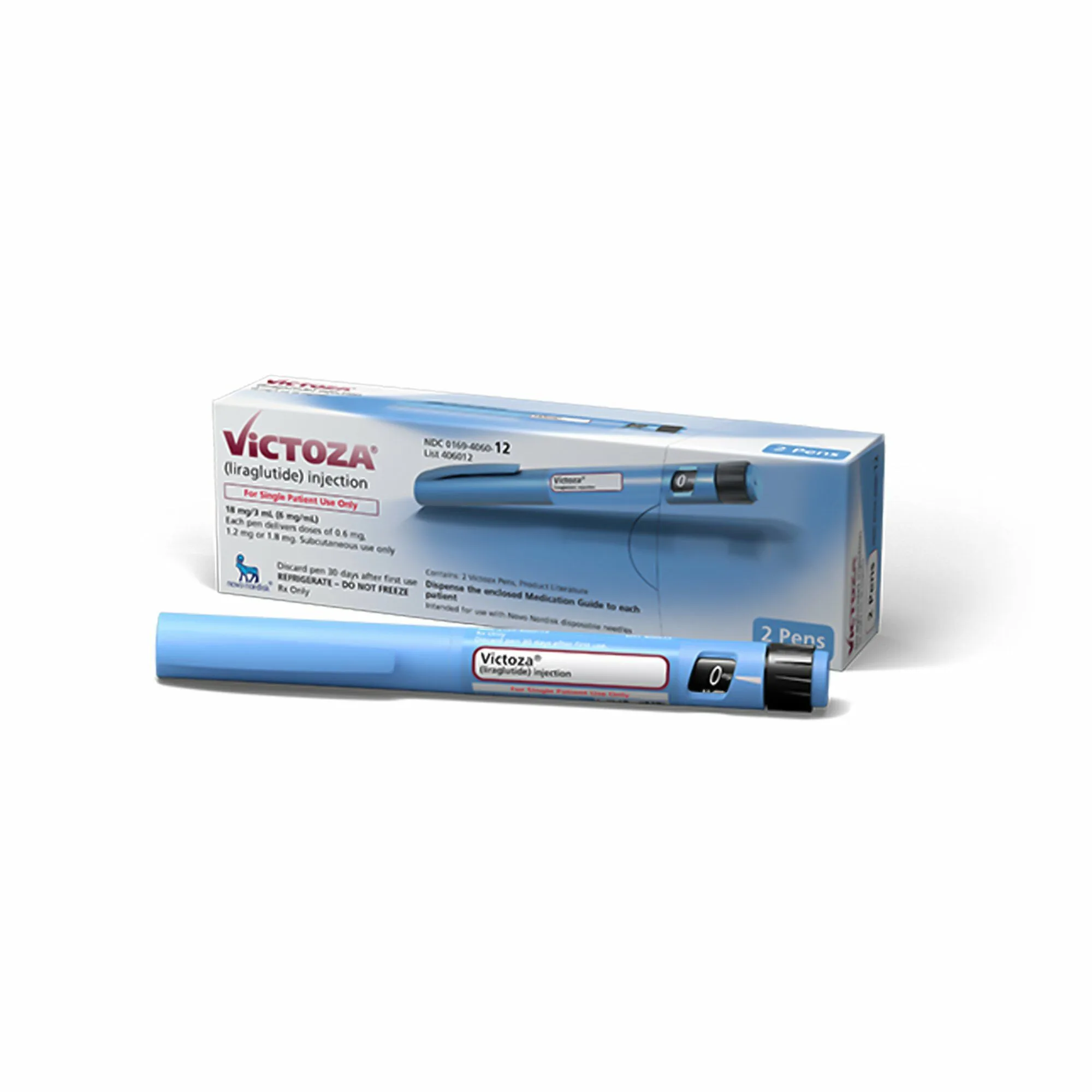
If lifestyle changes aren't yield sufficient relief, your doctor may recommend over-the-counter or prescription medications. These can help loosen stools and make elimination easier.
Keep in mind that it's important to consult with your doctor if you experience chronic constipation, as there may be underlying medical conditions needing attention.
Baby's Bowel Movements: Addressing Newborn Constipation
Newborn babies sometimes pass bowel movements every couple of days, but some infants might experience constipation. Here means they have difficult stools, or they cries during bowel movements. A few factors can cause newborn constipation, including breast milk alone.
If your baby is experiencing constipation, there are a few solutions you can try. Firstly, make sure your baby is getting enough fluids.
Also, try giving them a gentle tummy massage to help soften stools. You can also give them prune juice or a small amount of high-fiber formula. If your baby's constipation continues, it's essential to speak to your pediatrician.
Easing Constipation Naturally: Home Remedies and Lifestyle Tips
Constipation can be a frustrating experience, but luckily there are several natural ways to relieve the discomfort. Begin by incorporating more fiber-rich foods into your diet, such as fruits, vegetables, and whole grains. Drinking plenty of water is also crucial for ensuring regular bowel movements.
Try these additional home remedies:
* Warm water with lemon can stimulate digestion.
* A gentle belly massage can help release stool.
* Prunes are a natural laxative.
Implementing some lifestyle changes can also make a difference:
* Involve yourself in regular physical activity.
* Control stress levels through practices like yoga or meditation.
* Create a consistent toilet routine.
If constipation persists, it's important to consult with a healthcare professional to rule out any underlying medical conditions.
Are you noticing to See a Doctor About Constipation
It's common to experience constipation from time to another. However, if your constipation lasts longer than a week, or when it's accompanied by symptoms like stomach ache, bright red blood, unexplained weight loss, nausea, or high temperature, it's essential to consult a doctor.
They can help determine the underlying factor of your constipation and recommend the best solutions.
Report this wiki page